
Product classification allows retailers to cluster products into groups. These groups, and the individual products within them, are connected and have different inter-relationships.
Cross elasticity of demand is the impact that a price increase or decrease on one product has on other products. Products can be substitutes, complements, or unrelated entirely. Substitutes are products that are seen as alternatives to one another while complements are products that are related and often purchased together.
Retailers can take advantage of these relationships to increase revenue, improve inventory planning, and manage pricing and promotions.
Cross Elasticity
Cross elasticity of demand measures the change in quantity demanded for a product to the change in price of another product.
Cross Price Elastucity of Demand = % Change in Quantity Demanded of Product A ÷ % Change in Price of Product B
This product-to-product relationship can be extended to measure cross-elasticity for a price change in product A and its impact on the entire assortment or assortment sub-set.
Substitutes
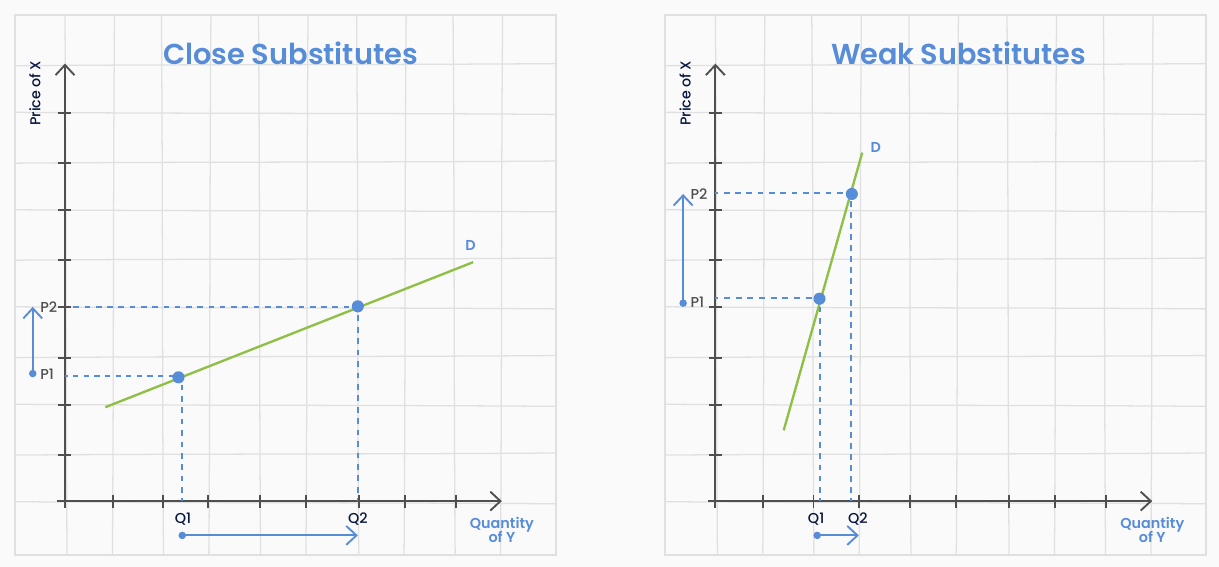
A positive cross price elasticity denotes that products are substitutes. An increase in price of product A will increase the demand for product B because customers can easily replace product A with product B. Coke and Pepsi are examples of substitute goods, as are McDonalds and Burger King hamburgers.
Two competing airlines are also substitutes. If airline A increases flight prices even marginally versus Airline B, consumers will likely notice and substitute into Airline B. However, there are close and weak substitutes.
Complements
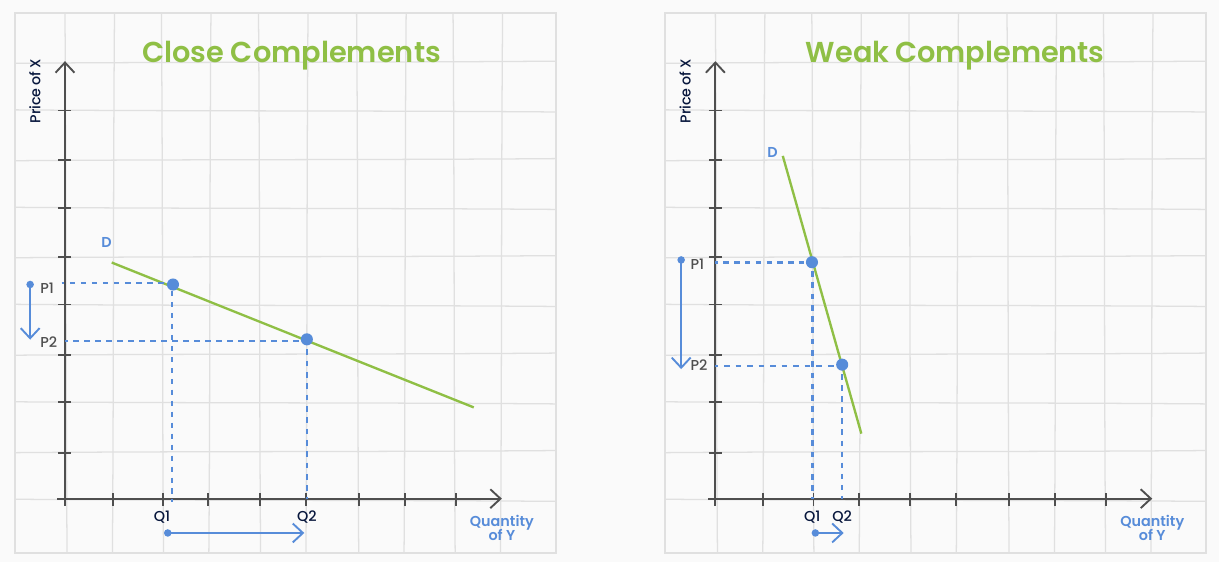
A negative cross elasticity denotes two products that are complements. An increase in price of product A leads to a decrease in quantity demanded for product B. If the price of A decreases, the demand curve for product B shifts to the right, signalling an increase in demand for B.
eBooks and eBook readers are examples of complementary products. If the price of an eBook reader decreases, the consumption of eBooks will increase because more customers can afford the reader. Like with substitutes, products can be close complements or weak complements.
Unrelated products have a cross price elasticity of zero.
| Complements | <1 | Products that are consumed together where the demand for one directly affects the consumption of the other. |
| Substitutes | <1 | Products that are closely related to one another and compete for the same customers. |
| Unrelated | 0 | Products with no relation to one another have a cross price elasticity of zero. |
Halo Effect
The effect between two complementary products where the lead product generates the demand for the follower products is known as the Halo Effect. The products together complete a purchase experience. This effect can be quantified by how much additional revenue the sale of the lead product generates.
In the airline industry, a flight ticket is the lead product that generates additional follower product sales of luggage, food, and insurance. The sale of the flight ticket generates additional revenue due to the sales of the follower products. This additional revenue gained from follower products can be used to make decisions around lead product pricing. Specifically, it can be used to discount the lead product and make the entry point of purchase more appealing to customers.
In the cell phone industry, phones are the lead product and phone covers, warranties, and chargers are the followers. Buying a specific model phone cover generally doesn’t happen without the purchase of the accompanying phone. Therefore, the sale of a cell phone is associated with additional revenue from the followers above and beyond the phone sale.
Applications In Pricing
Retailers that take advantage of cross elasticity of demand and identify products that benefit from the Halo Effect can make more informed pricing decisions and grow their revenue and profit.
Whole assortment pricing
Pricing products should not be done in isolation. Retailers need to consider the net effect of selling one unit of a product on the entire store sales. The complementary revenue gained from associated products that are sold helps inform both price increases and decreases. Retailers must pay attention to these inter-relationships across their full assortment.
In the cell phone store example, increasing the price of one phone will generate the sales for other phones in the store. This happens because the original phone becomes less competitive and generates demand for the rest. Conversely, reducing the price for the same phone will increase its competitiveness and thereby reduce the sales of competing phones.
In situations where there is a very strong relationship between products, the products need to be priced together towards a common goal. Retailers need to look at overall profitability across the assortment, not in isolation. Apple prices all iPhones of the same series together. Versions with more memory or a better camera are priced in relation to phones with less. Because of the close relationships between them, having unrelated pricing would not make sense to customers and would lead to a loss of profit.
Strong Halo Effect relationships
Successful pricing strategies for products with a strong Halo Effect relationship should be done together and in relation to one another. The lead product is priced aggressively, and the follower products are priced higher. The profit lost on the lead product is made back on the follower sales. This strategy is executed by looking at the additional follower revenue generated from the sale of the lead product and using that to discount the lead product price.
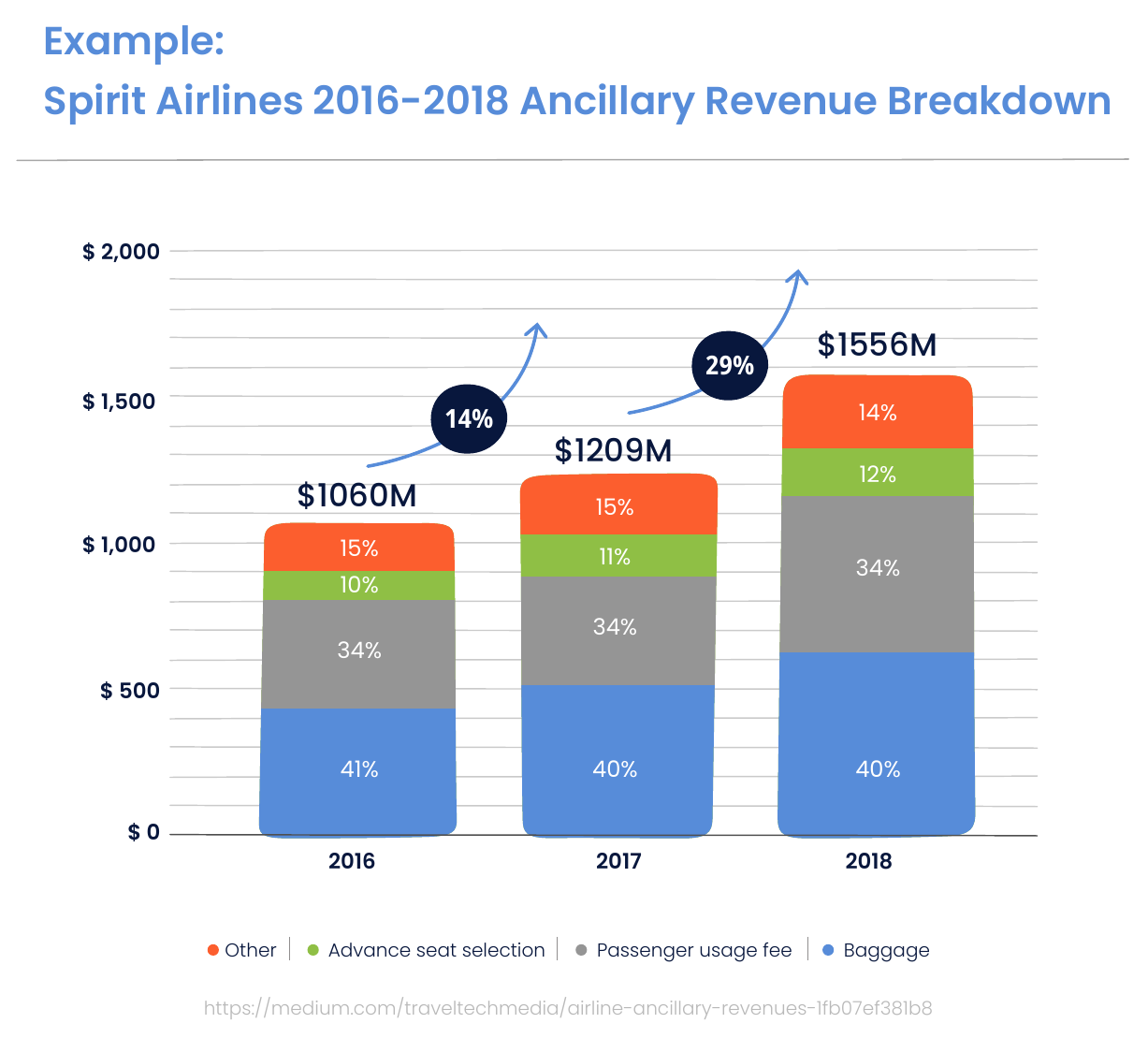
This type of pricing is often seen in consumables. Printers are sold at low prices because the profit is made back on ink sales. Coffee machines are discounted heavily because of subsequent capsule sales. The success of low-cost airlines can be credited to this pricing strategy as well. Tickets are sold at very low, often loss-leading, prices and profit is made back on the extra seat, luggage, and food charges.
Challenges
While pricing that considers inter-product relationships results in higher profits for retailers, it does come with some challenges.
Timing
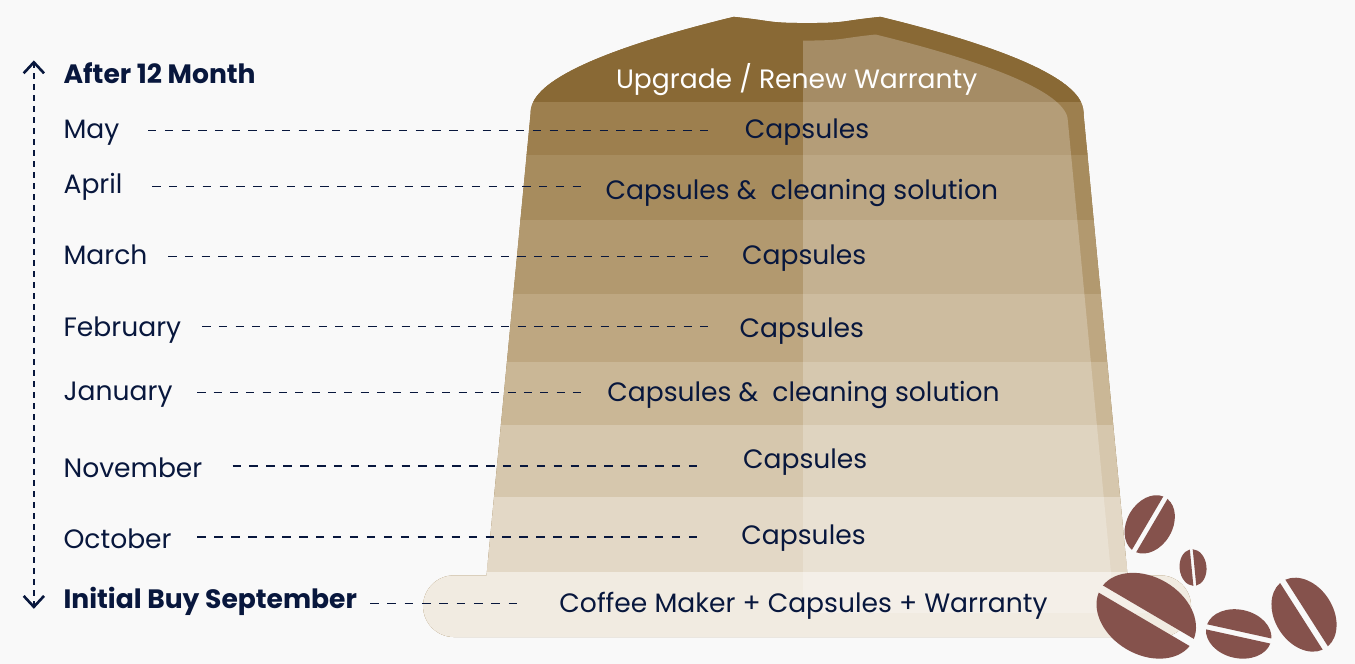
Sales of complementary products are connected easily using transaction data. However, this type of identification assumes that complements are sold together in one transaction. This is often not the case. Many complements are sold in continuous transactions over long periods of time. A customer may buy a coffee machine with some capsules initially, but the likelihood is that the additional revenue from capsules will keep increasing over time as they purchase refills. Therefore, looking to price the coffee machine initially by estimating the additional capsule revenue is not straightforward because it requires looking at continuous transactions.
Cannibalization
Offering a discount on one product can inadvertently cannibalize the sales of another, related product. Reducing the price of a phone with 64GB memory and leaving the 32GB version intact is going to transfer customers from one to the other. While more profit may be made on the 64GB version, profit is also lost on the sales of the 32GB, resulting in an overall loss.
Case Study: Peloton
The Peloton indoor exercise bike rose to prominence in 2020 with its internet enabled on-demand workouts that allow customers to join live classes from the comfort of their home. Their revenue grew exponentially during the COVID-19 pandemic as exercise options became limited.
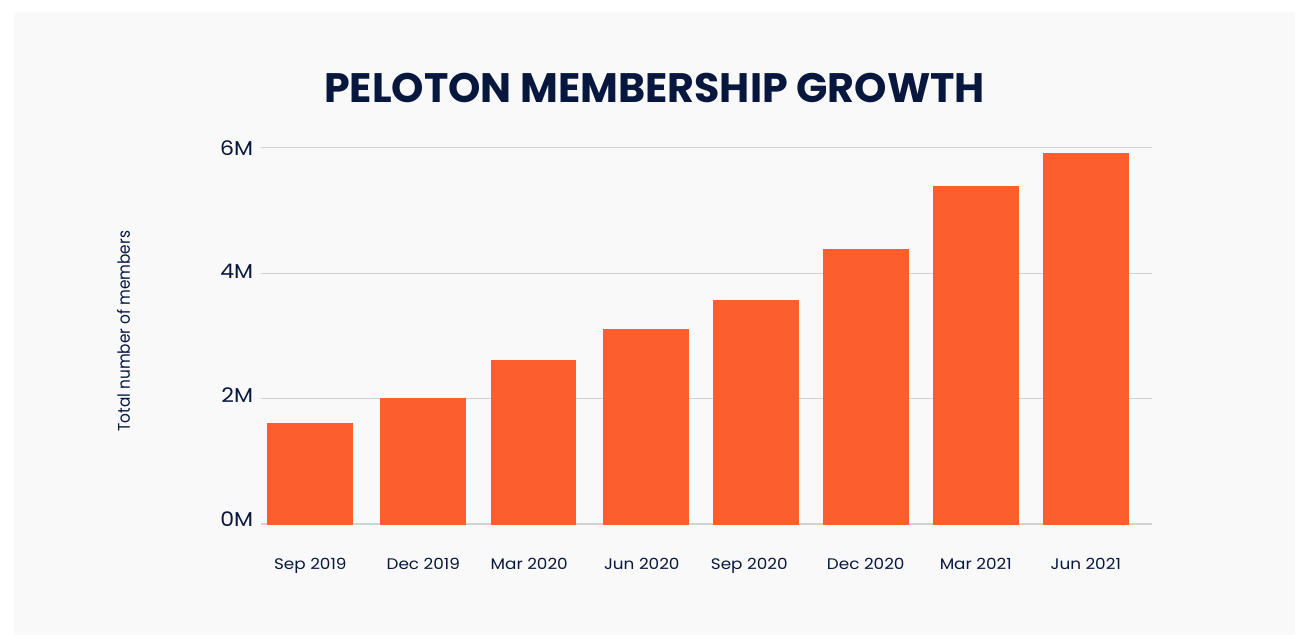
Peloton operates a subscription-based pricing model that benefits from the Halo Effect. The bike is the lead product and the subscription for the on-demand classes is the follower. While the large upfront investment for the luxury bike is accessible to everyone, once the bike is purchased, the $39 monthly subscriptions for the classes is where Peloton grew its recurring revenue and profitability.
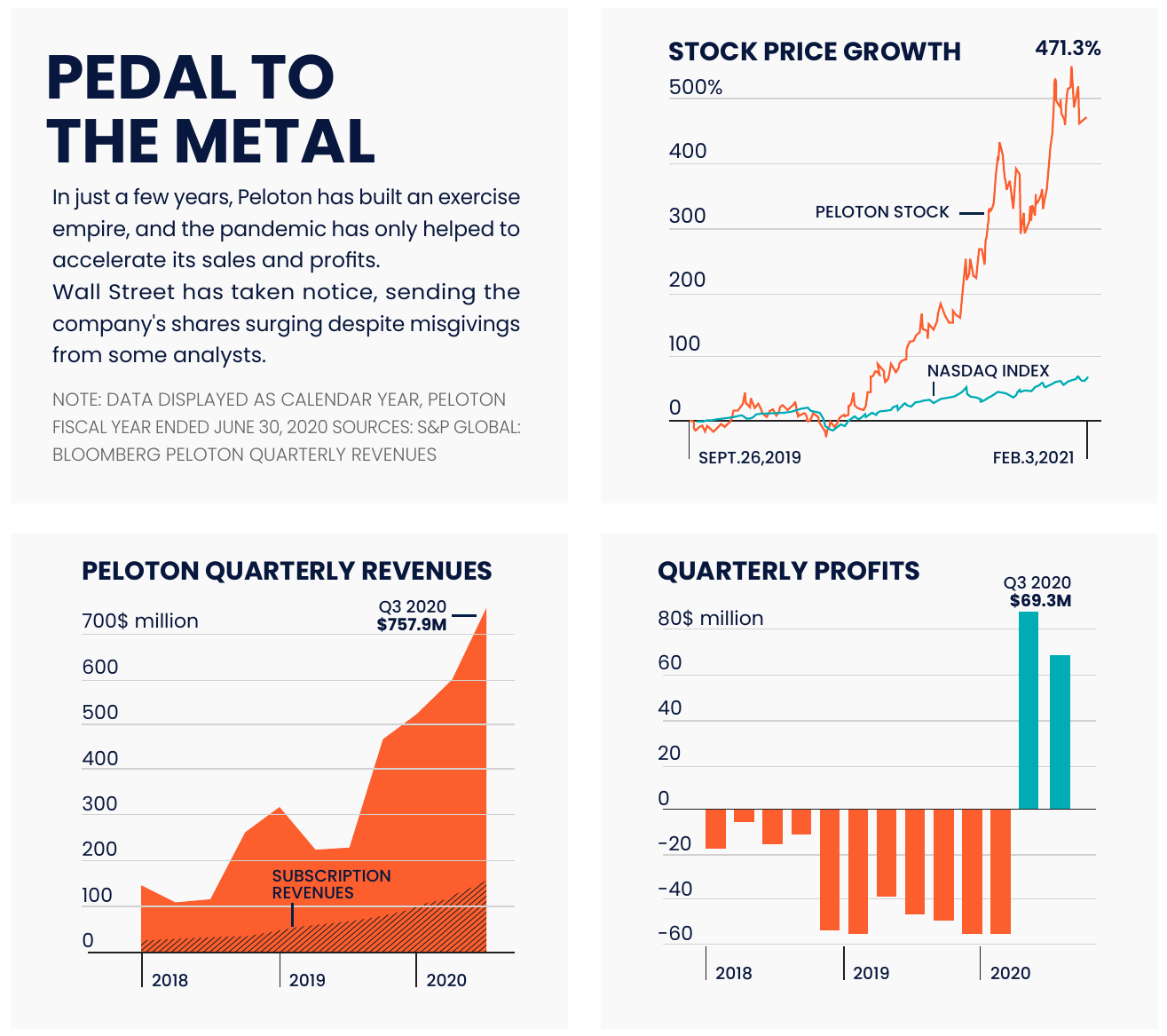
Peloton recognized the strength of the Halo Effect and chose to capitalize on it further as sales slowed in 2021. They lowered the price of the luxury bike by $400, from $1,895 to $1,495 in August 2021. The price drop of the lead product made it more accessible to a wider audience, and the revenue lost on bike sales is made up by the subscription growth from the additional customers. Taking advantage of this close relationship between the lead and follower products has allowed Peloton to executive pricing in a holistic way, growing their revenues further as a result.
How Quicklizard Can Help
Pricing strategies that account for inter-product relationships allow retailers to price their products towards a common goal and increase overall revenue and profitability. While discounting lead products and pricing follower product high is a successful strategy for Halo Effect relationships, a balance is always needed. QuickLizard can help. Retailers to use calculated contribution in pricing, identifying products affected and creating pricing groups.
The proprietary algorithm and full suite of pricing optimization and enrichment modules advances pricing excellence, at scale. It enables retailers to automate pricing and move to a fully digitalised pricing infrastructure that is tailored to business goals. Powered by science, designed for success.
To learn how QuickLizard can help you achieve pricing excellence, speak to one of our pricing experts today.
Quicklizard enables retailers and brands to automate their pricing strategies and move from manual pricing to a smart, fully automated digital pricing infrastructure. The Pricing Platform and suite of pricing optimization and enrichment modules advances pricing excellence at scale, based on individualized business goals.